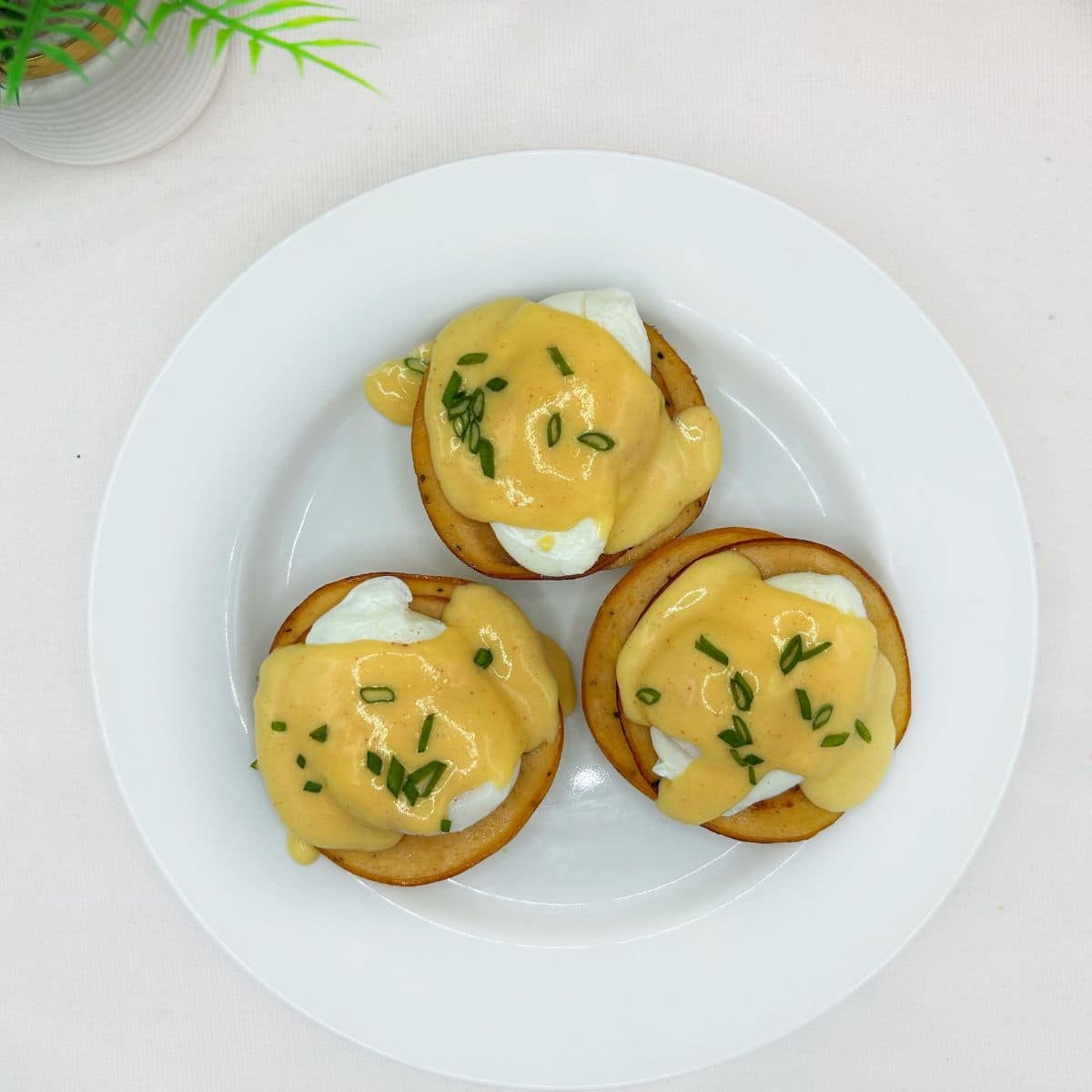
Imagine a leisurely weekend morning, the aroma of toasted English muffins filling the air, and a plate featuring perfectly poached eggs draped in a silken, golden Hollandaise sauce. This isn't a scene from a high-end brunch spot; it's your kitchen, and you've just mastered the art of making restaurant-style Eggs Benedict at home. Long considered a pinnacle of breakfast elegance, this classic American dish might seem intimidating, but we're here to demystify it and prove that anyone can create a show-stopping Eggs Benedict recipe with ease and confidence.
Forget the notion that Eggs Benedict is exclusively for professional chefs or a luxury reserved for dining out. With a few simple techniques and quality ingredients, you can recreate this iconic open-faced breakfast sandwich, impressing family and friends (or simply treating yourself!) to a truly special meal. From the crispy muffin base to the runny yolk and the rich, tangy sauce, every component plays a vital role in this symphony of flavors and textures.
What Exactly is Eggs Benedict? Deconstructing a Culinary Icon
At its heart, Eggs Benedict is an elegantly layered breakfast sandwich that tantalizes the taste buds. While there are countless variations today, the classic Eggs Benedict recipe is built upon four fundamental components that work in harmony to create a truly unforgettable experience:
- A Toasted English Muffin Half: Providing a sturdy yet tender foundation, its nooks and crannies are perfect for soaking up all the deliciousness.
- A Layer of Savory Meat (or a Fresh Alternative): Traditionally Canadian bacon or ham, pan-fried to a golden crisp. Regular bacon is also a popular choice. For a fresher, meat-free twist, some prefer juicy tomato slices, offering a delightful counterpoint to the richness.
- A Perfectly Poached Egg: The star of the show, cooked so that the whites are just set and the yolk remains lusciously runny, ready to burst and meld with the sauce.
- Generous Drizzle of Hollandaise Sauce: The crown jewel of Eggs Benedict. This creamy, emulsified French sauce, made from egg yolks, melted butter, lemon juice, and a hint of cayenne, provides a velvety richness that ties all the elements together.
Often finished with a sprinkle of cayenne pepper for a subtle kick and sometimes fresh herbs like chives or dill for brightness, this dish is a staple on brunch menus worldwide for good reason. It’s a celebratory dish, perfect for weekend gatherings or when you simply want to make breakfast feel extraordinary.
The Four Pillars of a Perfect Homemade Eggs Benedict
Achieving restaurant-quality Eggs Benedict at home hinges on understanding and mastering each of its core elements. Don't worry, each step is more straightforward than it sounds!
1. The Foundation: English Muffins
While you certainly won't be baking your own English muffins from scratch for this simple Eggs Benedict for brunch, the quality you choose matters. Opt for good-quality muffins from your local bakery or grocery store. The key is to toast them thoroughly until they are golden brown and slightly crisp. This creates a barrier against sogginess and adds a crucial textural contrast to the soft egg and sauce. Splitting them with a fork, rather than cutting with a knife, helps maintain their craggy texture.
2. The Savory Heart: Protein or Produce
Traditionally, Canadian bacon (a leaner, smoked cut of pork loin) or thinly sliced ham are the go-to choices, pan-fried lightly to warm through and achieve a slight crispness. Regular streaky bacon can also be used, cooked until crisp. However, don't be afraid to experiment! A fantastic alternative for a fresher, lighter, or vegetarian Eggs Benedict is a slice of ripe, juicy tomato. The acidity of the tomato cuts beautifully through the richness of the egg and Hollandaise. Other popular variations include smoked salmon (creating Eggs Royale) or sautéed spinach (for Eggs Florentine), showcasing the versatility of this classic recipe.
3. The Star: The Poached Egg
A perfectly poached egg is central to a truly magnificent Eggs Benedict. You want firm, opaque whites and a wonderfully runny, golden yolk that spills out when pierced. The secret lies in fresh eggs, a gentle simmer, and a touch of vinegar in the water to help the whites coagulate. Cracking each egg into individual ramekins before gently slipping them into the water ensures they hold their shape beautifully. For a deeper dive into this delicate art, check out our guide on Easy Hollandaise & Perfect Poached Eggs for Benedict.
4. The Crown Jewel: Hollandaise Sauce
Often perceived as the most challenging component, homemade Hollandaise sauce is surprisingly approachable. This rich, creamy French emulsion is what elevates Eggs Benedict from a breakfast sandwich to a culinary masterpiece. It’s a delightful blend of egg yolks, melted butter, fresh lemon juice, and a pinch of cayenne pepper (some recipes, like ours, also include a touch of Dijon mustard for extra zing). While traditionally made over a double boiler, a blender offers a foolproof shortcut, producing a smooth, luscious sauce in minutes. The key is to slowly stream hot melted butter into the whirring egg yolk mixture, allowing it to emulsify into a thick, velvety sauce.
The Finishing Touch: Garnish
Don't underestimate the power of a garnish! A light dusting of cayenne pepper not only adds a beautiful visual pop of color but also a subtle warmth that complements the richness of the dish. Freshly chopped herbs like chives or dill provide a burst of freshness and a vibrant green contrast, enhancing both the flavor and presentation.
Mastering the Assembly: Step-by-Step for Success
The beauty of the Eggs Benedict recipe lies in its modular nature. You can prepare each component relatively independently, then bring them together for a glorious finish. The trick is timing, especially when making multiple servings.
- Start with the Hollandaise: This is often the first step because it can be made ahead and gently rewarmed if necessary, or kept warm. If using a blender, combine egg yolks, lemon juice, Dijon mustard, cayenne, and salt. With the blender running on low, slowly stream in hot melted butter until thick and creamy. For detailed instructions, refer to our Easy Hollandaise & Perfect Poached Eggs for Benedict guide.
- Prepare Your Poached Eggs: Bring a pot of water to a gentle boil, add a splash of white wine vinegar. Crack eggs into individual ramekins. Stir the water to create a gentle circular motion, then carefully slip 2-4 eggs into the water. Simmer for 3 ½ to 4 minutes for firm whites and a runny yolk. Remove with a slotted spoon and drain gently on paper towels. Repeat with remaining eggs.
- Toast and Sauté: While eggs are poaching, toast your English muffin halves until golden. Lightly pan-fry your Canadian bacon or ham until warm and slightly crispy, or slice your tomatoes.
- The Grand Assembly: This is where it all comes together!
- Place a toasted English muffin half on each plate.
- Top with your chosen protein (Canadian bacon, ham, or tomato slice).
- Carefully place a poached egg on top of the protein.
- Spoon a generous amount of warm Hollandaise sauce over the egg, allowing it to cascade down the sides.
- Finish with a sprinkle of cayenne pepper and fresh herbs like chopped chives or dill.
For seamless execution when hosting a brunch, try to time your components so everything comes together warm. You can keep poached eggs warm in a bowl of lukewarm water for a few minutes, and Hollandaise can be held in a warm (but not hot) spot, stirring occasionally.
Tips for Elevating Your At-Home Eggs Benedict
To truly master this restaurant-style delight, consider these additional insights:
- Freshness is Key: Use the freshest eggs you can find for poaching. Older eggs tend to spread more in the water. Fresh lemon juice for your Hollandaise also makes a significant difference.
- Temperature Control: For Hollandaise, ensure your melted butter is hot, but not boiling. The egg yolks should be at room temperature for the best emulsion.
- Season Generously: Don’t forget to season each component – a little salt and pepper on the eggs, and certainly in the Hollandaise – to bring out the best flavors.
- Don't Overcrowd the Pot: When poaching eggs, cook them in batches if necessary. Overcrowding lowers the water temperature and can lead to uneven cooking and misshapen eggs.
- Embrace Customization: Once you've mastered the classic eggs benedict recipe, feel free to get creative. Try different bases like toasted brioche or sourdough, experiment with roasted asparagus or portobello mushrooms as a vegetarian option, or add a drizzle of truffle oil to your Hollandaise for an opulent touch.
- Practice Makes Perfect: If your first poached egg or batch of Hollandaise isn't perfect, don't despair! Like any culinary skill, practice builds confidence and consistency.
Making Eggs Benedict at home is a rewarding experience that transforms an ordinary breakfast into an extraordinary occasion. By understanding each component and following these tips, you'll be creating stunning, delicious, and truly restaurant-worthy Eggs Benedict that will undoubtedly impress anyone lucky enough to share your table. So, roll up your sleeves, gather your ingredients, and get ready to indulge in this timeless brunch classic!
