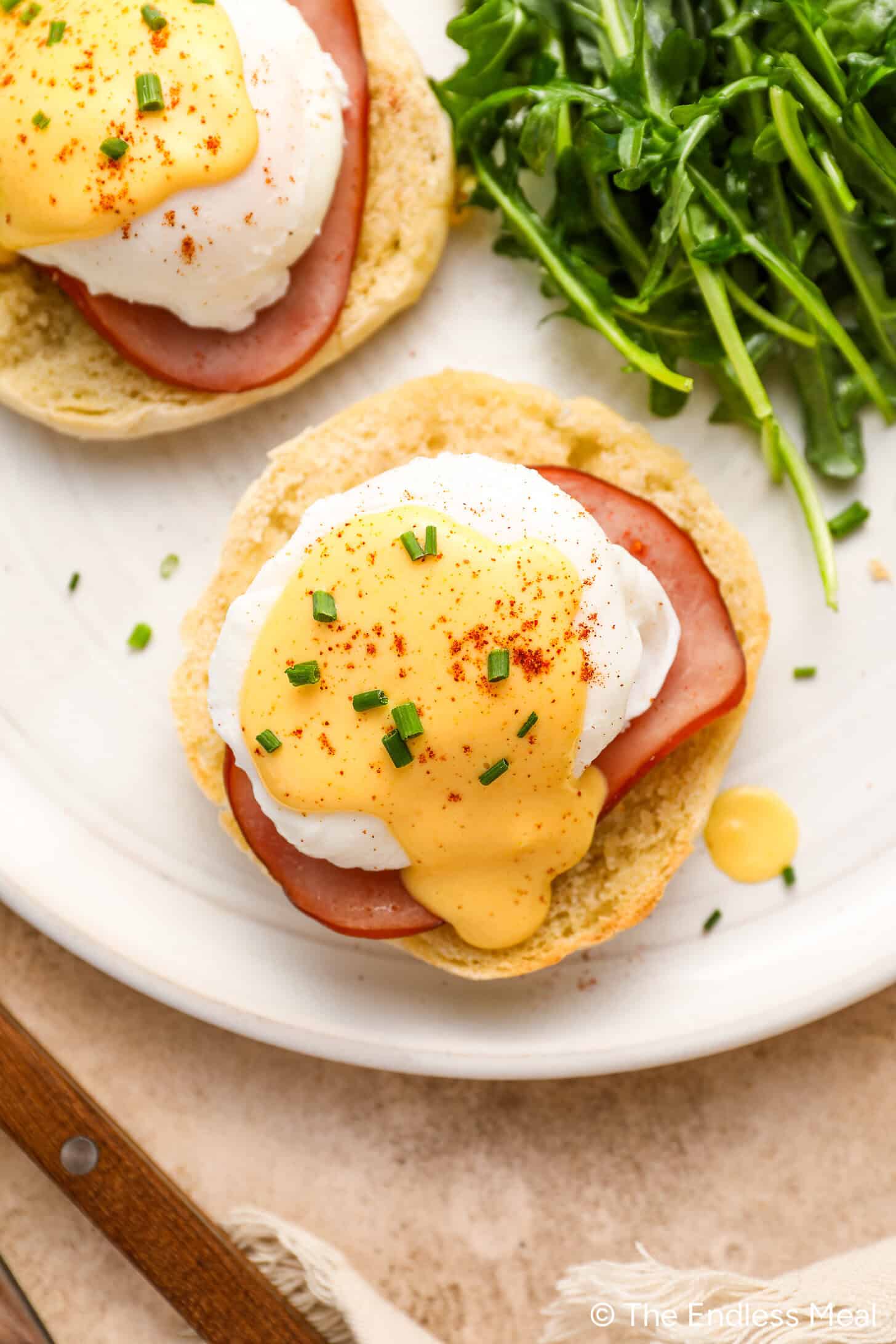
Unlocking the Secret to Effortless Eggs Benedict: Easy Hollandaise & Perfect Poached Eggs
There are few dishes that evoke the luxurious feeling of a leisurely weekend brunch quite like Eggs Benedict. With its perfectly poached eggs, rich, creamy hollandaise sauce, and savory foundation, it’s a true culinary masterpiece. While this iconic American dish is a staple on restaurant menus, the good news is that recreating a restaurant-quality eggs benedict recipe in your own kitchen is not only achievable but surprisingly simple. Forget the intimidation factor; with our guide, you'll master the key components – a foolproof hollandaise and consistently perfect poached eggs – transforming your home into the ultimate brunch destination.
Many home cooks shy away from Eggs Benedict, convinced it requires advanced culinary skills. However, much like fluffy waffles or delicate crêpes, the secret lies in understanding a few fundamental techniques and clever shortcuts. This comprehensive article will walk you through every step, ensuring your next brunch gathering will be met with awe and delight, proving that this impressive meal is well within reach for any home chef.
The Anatomy of a Perfect Eggs Benedict
At its heart, Eggs Benedict is an open-faced breakfast sandwich, a symphony of textures and flavors. Understanding its core components is the first step towards crafting your ideal dish:
- The Foundation: Toasted English Muffins
Start with good-quality English muffins. Their nooks and crannies are perfect for soaking up the luscious hollandaise. Toast them until golden and slightly crisp, providing a sturdy yet tender base. We're not making these from scratch, so opt for your favorite brand from the bakery or grocery store. - The Savory Layer: Classic or Contemporary
Traditionally, Eggs Benedict features a slice of Canadian bacon or ham. Regular crispy bacon is also a popular choice. For a fresher, meat-free twist, consider juicy tomato slices, as some recipes suggest, or even sautéed spinach for an Eggs Florentine variation. This layer adds a crucial savory counterpoint to the richness of the egg and sauce. - The Star: Perfectly Poached Eggs
The hallmark of any great Eggs Benedict is an immaculately poached egg. We're looking for firm, fully set whites and a warm, gloriously runny yolk that cascades over the other ingredients when gently pierced. - The Crown Jewel: Homemade Hollandaise Sauce
This emulsified French sauce is what truly elevates Eggs Benedict. Made from egg yolks, melted butter, lemon juice, and often a touch of cayenne pepper and Dijon mustard, it's a rich, tangy, and incredibly creamy topping that ties everything together. - The Finishing Touch: Garnish
A sprinkle of fresh chopped herbs, such as chives or dill, adds a vibrant pop of color and a fresh herbaceous note that beautifully balances the richness. A pinch of cayenne pepper is also classic for a hint of warmth.
While each component sounds sophisticated, the beauty of this eggs benedict recipe lies in the relative simplicity of each individual step. You can comfortably prepare multiple servings, making it ideal for entertaining.
Demystifying Hollandaise Sauce: The Blender Method
The thought of making hollandaise from scratch often strikes fear into the hearts of aspiring brunch chefs. Traditionally, it involves a double boiler and constant whisking, a delicate dance to prevent the sauce from breaking. However, we're here to share a game-changing shortcut: the blender method. This technique makes homemade hollandaise virtually foolproof, delivering a rich, creamy sauce every time.
Ingredients for Blender Hollandaise:
- 3 large egg yolks
- 1 tablespoon fresh lemon juice
- ½ teaspoon Dijon mustard (optional, but highly recommended for depth)
- ¼ teaspoon salt
- Pinch of cayenne pepper
- ½ cup (1 stick) unsalted butter, melted and hot
Step-by-Step Blender Hollandaise:
- Combine Base Ingredients: In a blender, combine the egg yolks, lemon juice, Dijon mustard (if using), salt, and cayenne pepper. Blend on high for about 30 seconds until the mixture is light in color and slightly thickened. This aerates the yolks and starts the emulsification process.
- Melt the Butter: While the yolks are blending, melt the butter in a small saucepan over medium heat or in a microwave-safe dish until it's bubbling and fully liquid. The butter needs to be hot – not just melted – as its heat helps to cook the egg yolks and form the emulsion.
- Slowly Stream in Butter: With the blender running on its lowest setting, slowly and steadily stream the hot melted butter into the egg yolk mixture. Pour it in a thin, continuous stream. This gradual addition is crucial for creating a stable emulsion. As you pour, you'll see the sauce transform, becoming thick, pale, and incredibly creamy.
- Adjust Consistency: Once all the butter is incorporated, taste and adjust seasonings if needed. If the sauce is too thick, you can whisk in a teaspoon or two of hot water. If it feels too thin, gently warm it over a very low heat while whisking constantly (be careful not to scramble the eggs).
Tips for Hollandaise Success:
- Butter Temperature: Ensure your melted butter is hot, but not scorching, as this helps cook the yolks and creates a stable emulsion.
- Slow and Steady: The key to preventing a broken sauce is the slow, continuous stream of butter. Don't rush this step!
- Make-Ahead & Reheating: Hollandaise is best served fresh, but you can make it up to an hour ahead. Keep it warm in a thermos or a bowl set over a pot of barely simmering water (a makeshift double boiler) without direct heat. To reheat, gently warm it over very low heat, whisking constantly, or briefly in a microwave on low power, stirring every 10 seconds. If it separates, a splash of hot water or lemon juice, vigorously whisked in, can often rescue it.
Mastering the Art of Poached Eggs
A perfectly poached egg, with its tender whites and molten center, is the crowning glory of any Eggs Benedict. Achieving this seems daunting, but with a few simple tricks, you'll be poaching like a pro in no time.
Step-by-Step Poached Eggs:
- Prepare Your Eggs: The freshest eggs are best for poaching as their whites hold their shape more effectively. Crack each egg into a separate small ramekin or bowl. This makes it easy to gently slide them into the water, preventing them from breaking apart.
- Prepare the Water: Fill a wide, shallow pot with about 2-3 inches of water. Bring it to a gentle simmer – you should see small bubbles forming at the bottom, but it shouldn't be a rolling boil. Add a splash of white wine vinegar (about 1-2 tablespoons per quart of water). The acidity of the vinegar helps the egg whites coagulate faster, ensuring they stay together.
- Create a Whirlpool (Optional but Recommended): Using a spoon, gently stir the simmering water to create a slow, circular motion (a whirlpool). This helps to gather the egg whites around the yolk as you drop them in.
- Poach the Eggs: Carefully slip one or two eggs (depending on the size of your pot, avoid overcrowding) into the center of the whirlpool. Let them simmer gently for 3 ½ to 4 minutes for soft, runny yolks, or longer if you prefer them more set. The whites should be fully cooked and opaque.
- Remove and Drain: Using a slotted spoon, carefully lift each poached egg out of the water. Gently blot any excess water with a paper towel.
- Repeat: Repeat the process with the remaining eggs. If poaching a large batch, you can refresh the water and vinegar as needed.
Tips for Poached Egg Perfection:
- Freshness is Key: Use the freshest eggs you can find. Older eggs have thinner whites that tend to spread in the water.
- Gentle Simmer: A rolling boil will agitate the eggs and can break them apart. A gentle simmer is crucial.
- Don't Overcrowd: Give your eggs space in the pot to cook evenly and prevent sticking.
- White Wine Vinegar: Don't skip this! It really makes a difference in keeping your egg whites intact. You won't taste it in the final product.
- Make-Ahead: Poached eggs can be made ahead of time. Once cooked, transfer them to an ice bath to stop the cooking process, then store them in the fridge in a container of cold water for up to 2 days. To reheat, simply place them in a bowl of very hot (not boiling) water for about 30-60 seconds just before serving.
Assembling Your Restaurant-Quality Eggs Benedict at Home
With your flawless hollandaise and perfectly poached eggs ready, the final step is to bring all the elements together. Timing is crucial here to ensure everything is warm and fresh.
- Prepare Your Base: Slice English muffins in half and toast them until golden brown. While they're still warm, you can lightly butter them if desired.
- Layer the Savory Component: Place your chosen savory layer – Canadian bacon, ham, crispy regular bacon, sautéed spinach, or tomato slices – on top of each toasted muffin half. If using meat, a quick sear in a pan can warm it up and add extra flavor.
- Add the Poached Egg: Carefully place one beautifully poached egg on top of the savory layer.
- Drizzle with Hollandaise: Generously spoon your homemade blender hollandaise sauce over each egg, allowing it to cascade down the sides. Don't be shy!
- Garnish and Serve: Finish with a sprinkle of fresh chopped chives or dill, and a dash of cayenne pepper for a touch of color and warmth. Serve immediately and watch as your guests marvel at your culinary prowess!
Beyond the Classic: Creative Variations
While the traditional eggs benedict recipe is divine, feel free to get creative:
- Eggs Florentine: Swap Canadian bacon for steamed or sautéed spinach.
- Eggs Royale (or Pacific): Replace the meat with smoked salmon.
- Eggs Chesapeake: Top with crab cakes instead of meat.
- California Benedict: Add avocado slices and a slice of tomato.
- Country Benedict: Use biscuits instead of English muffins and top with sausage patties and gravy.
For more inspiration on elevating your brunch game, be sure to check out our article on Master Restaurant-Style Eggs Benedict at Home and discover additional tips to truly wow your guests.
Conclusion
Mastering the art of Eggs Benedict is a culinary achievement that is far more accessible than its fancy reputation suggests. By following our guide for an easy blender hollandaise and consistently perfect poached eggs, you're now equipped to create this restaurant classic in your own kitchen. Whether it's for a special occasion or simply to elevate a lazy Sunday morning, this eggs benedict recipe is guaranteed to impress with its rich flavors and elegant presentation. So, gather your ingredients, set aside some dedicated brunch time, and prepare to delight yourself and your loved ones with this truly iconic dish. If you're looking for more ways to make your brunch memorable, don't miss our guide on how to Impress Your Guests: Simple Eggs Benedict for Brunch.
